
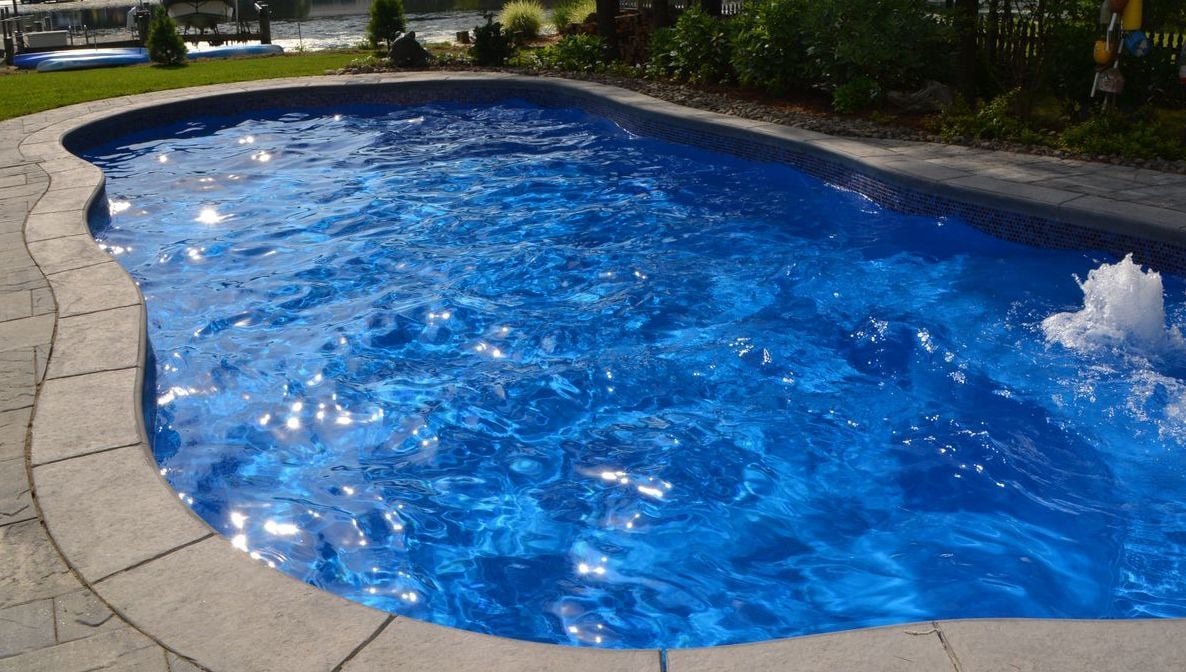
While inground pools are a popular choice for homeowners due to their durability, aesthetic appeal, and customizability, they do come with certain drawbacks that should be considered before installation.
1. Higher Initial Cost
Inground pools, whether made of concrete, gunite, or fiberglass, require significant investment compared to above-ground or vinyl pools. The cost includes excavation, construction, plumbing, and finishing.
2. Longer Installation Time
Unlike pre-fabricated above-ground pools, inground pools can take several weeks to months to complete, depending on the design, size, and materials used.
3. Maintenance Requirements
Concrete and gunite pools, in particular, require regular maintenance, including cleaning, chemical balancing, and resurfacing over time. Fiberglass pools require less maintenance but still need proper care.
4. Permanent Structure
Once installed, inground pools are permanent fixtures. Relocating or removing the pool later can be expensive and labor-intensive.
5. Space Requirements
Inground pools need adequate backyard space. Homes with smaller yards may find it challenging to accommodate a full-sized inground pool without compromising other outdoor areas.
6. Increased Utility Costs
Heating, pumping, and filtering an inground pool can increase electricity and water bills, especially for larger pools or heated systems.
7. Safety Concerns
Without proper fencing or safety measures, inground pools can pose a risk to children and pets. Additional safety installations may be required to meet local regulations.